Posts

Grapes Effective for Cancer
Image
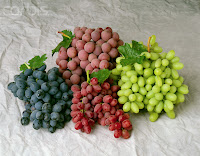
Grapes comes with different color and varieties. The crunchy, dry, sweet, and tart flavor has made grapes popular between meal snack as well as refreshing addition to both fruit and vegetable salads. The purple (Concord) grapes (with their skin and seeds), and to a slightly lesser degree red and black grapes, contain several nutrients that are known to kill cancer cells. These kinds of grapes also contain nutrients to stop the spread of cancer. They also help detoxify the body. Grapes (Concord) has bioflavonoid known as  quercetin . This works as an antioxidant and operates with Vitamin C to stimulate the immune system to fight infection, cancer, and inflammation. The seeds in grapes contain a substance called  pyenogenols . This substance has a high degree of antioxidant and fights arthritis, cardiovascular problems, stress, and allergies. Picture By : Vida Naji

Celery Cancer Cure

Image
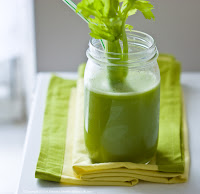
Celery leaves has high content of vitamin A while the stems are an excellent source of vitamins B1, B2, B6 and C with rich supplies of potassium, folic acid, calcium, magnesium, iron, phosphorus, sodium and plenty essential amino acids. Celery is an excellent source of immune boosting vitamin C, allowing it to be a fighter of the common cold. Its anti-inflammatory properties have also been found effective against asthma. Nutrients in the fiber are released during juicing, aiding bowel movements. The natural organic sodium (salt) in celery is very safe for consumption, in fact it is essential for the body. Even individuals who are salt-sensitive can safely take the sodium in celery, unlike table salt (iodised sodium) which is harmful for those with high blood pressure. Celery has always been associated with lowering of blood pressure. When combined with other juices, it provides different formula that help other conditions. An old Chinese remedy for high blood pressure is to drink cele...

Peaches Anti-Cancer

Image
Peaches are good for you because they are a source of vitamins A and C and they are a good source of fiber especially with the peal. Peaches are also a good source of potassium and contain some calcium, magnesium, phosphorus and folate. Though low in calories—one cup of sliced peaches has only 60 calories—and composed of 80 percent water, peaches are packed with fiber, vitamins, minerals, and carotenoids. The dose of fiber in peaches acts as a gentle laxative, aids digestion, and may also help combat cancer.  Peaches is rich in cancer-fighting vitamin A in the form of beta carotene,  as well as the immune-boosting vitamin C, which also protects against heart disease. Rich in iron and potassium, peaches help ensure proper functioning of cells, the balance of fluid and electrolytes in the body, and nerve signaling.  Lutein and zeaxanthin —two carotenoids found in peaches—help guard against blindness caused by age-related macular degeneration. Picture By : Vida Naji

Mango Cancer Cure

Image
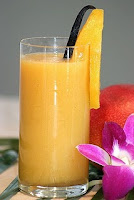
In an  “unexpected and groundbreaking discovery, ” scientists at the Texas A & M University have discovered that mango extracts can prevent, if not stop, the growth of breast and colon cancer cells. Susanne Talcott and her husband Steve conducted the trial and examinations. It was found that  polyphenols , (natural substances, anti-oxidants, that are free radical scavengers and promote health) present in mangoes were assessed in patients suffering from breast cancer, colon cancer, prostate cancer, and leukemia. These polyphenols showed significant beneficial effects on breast and colon cancers, while they had a weaker effect on prostate cancer and leukemia. Picture By : Vida Naji

Purple Carrots Cancer Cure

Image
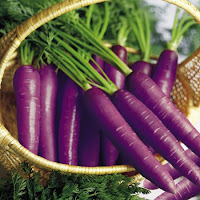
Purple carrots are rich in beta carotene and anthocyanins. This kind of carrots have originated from Turkey and the Middle East. In ancient times, the purple carrot was used as medicine to treat everything from dog bites to syphilis. Men believed the carrot to be an aphrodisiac and used it to make women more pliable and men more passionate. The roots of purple carrots have also been used to treat intestinal parasites, constipation, indigestion, and tonsil issues. Purple carrots display all of the health benefits of the orange carrots including better vision, brighter skin, and Vitamin A. While the purple carrot may not be easy to come across right now, the health benefits and color appeal of this vegetable are making the spotlight and getting noticed. The Food and Drug Administration has approved for carrots to be marketed as fat free, low sodium, a good source of fiber, and cholesterol free. Also, growers love purple carrots because they are easier to grow and produce than other ant...

Carrots Cancer Cure

Image
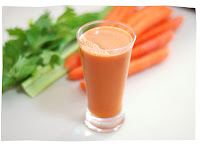
A crunchy texture and sweet taste of carrots is popular among both adults and children. Carrots has a lot of health benefits because of its nutritional value. Carrots are excellent source of antioxidant compounds, the richest vegetable source of the pro-Vitamin A carotenes that help protect against cardiovascular disease,cancer, and promote good vision especially night vision. Carrot juice was found out that can stave off breast cancer as well as skin cancer due to the amount of  beta carotene  it has. Primarily beta carotene is an antioxidant and it eliminates free radicals totally from the body. It also takes care of preventing the cell degeneration which happens in our body. Consequently it also prevents the aging process. Apart from this, because of anti  carcinogen  properties in carrot juice, cancer is prevented. Picture By : Vida Naji

Cranberries For Cancer Cure

Image
The name cranberry derives from “craneberry”, first named by early European settlers in America who felt the expanding flower, stem, calyx, and petals resembled the neck, head, and bill of a crane. Cranberries does not only cure diseases but it can be a cure for cancer as well. Cranberry Historical Medical Usage By the beginning of the 18th century, the tart red berries were already being exported to England by the colonists. Cranberries were also used by the Indians decoratively, as a source of red dye, and medicinally, as a poultice for wounds since not only do their astringent tannins contract tissues and help stop bleeding, but we now also know that compounds in cranberries have antibiotic effects. Cranberry fruits and leaves were used for a variety of problems, such as wounds, urinary disorders, diarrhea, diabetes, stomach ailments, and liver problems.